
Herbs need different amounts of light to grow well, and a bright-looking room may not provide enough for sun-loving plants. Basil and rosemary generally need more direct sun than parsley or mint, while indoor plants may receive less light than they would outdoors. Match each herb to the conditions you can offer, then watch how it grows. These guidelines can help you choose a suitable spot and adjust it when stems stretch, leaves fade, or growth slows.
Start With Light Conditions
Full sun usually means at least six hours of direct sunlight each day. Part sun or partial shade typically provides a few hours of direct sun, or bright light softened by shade for part of the day. The exact conditions change with season, nearby buildings, and tree cover, so check where sunlight falls rather than relying on a spot’s name.
Indoors, place sun-loving herbs near a south- or west-facing window when possible. East-facing windows often provide gentler morning sun, which can suit herbs that prefer less intense exposure. Turn pots periodically so plants receive light evenly. If growth remains weak or leggy, consider a grow light and follow its instructions for distance and daily use.
Give Sun-Loving Herbs More Light
Basil grows best with about six or more hours of direct sun. Give it a bright outdoor location or a sunny indoor window, and keep the soil evenly moist without leaving the pot in standing water. Rosemary also prefers full sun and well-draining soil. Indoors, it can struggle in dim rooms, especially during seasons with shorter days.
Thyme and oregano generally grow best in full sun and soil that drains readily. Too little light can lead to thin stems and sparse leaves. If you grow these herbs indoors, choose the brightest available window and rotate the pots. Outdoors, acclimate plants gradually when moving them from a protected indoor spot into stronger sunlight.
Choose Gentler Light for Leafy Herbs
Parsley can grow in full sun, but it also tolerates partial shade, particularly where afternoon sun is hot. Chives adapt to full sun or partial shade. Both can work in bright indoor spaces, though they may grow more slowly away from a strong window. Keep harvesting modest while plants establish so they can continue producing leaves.
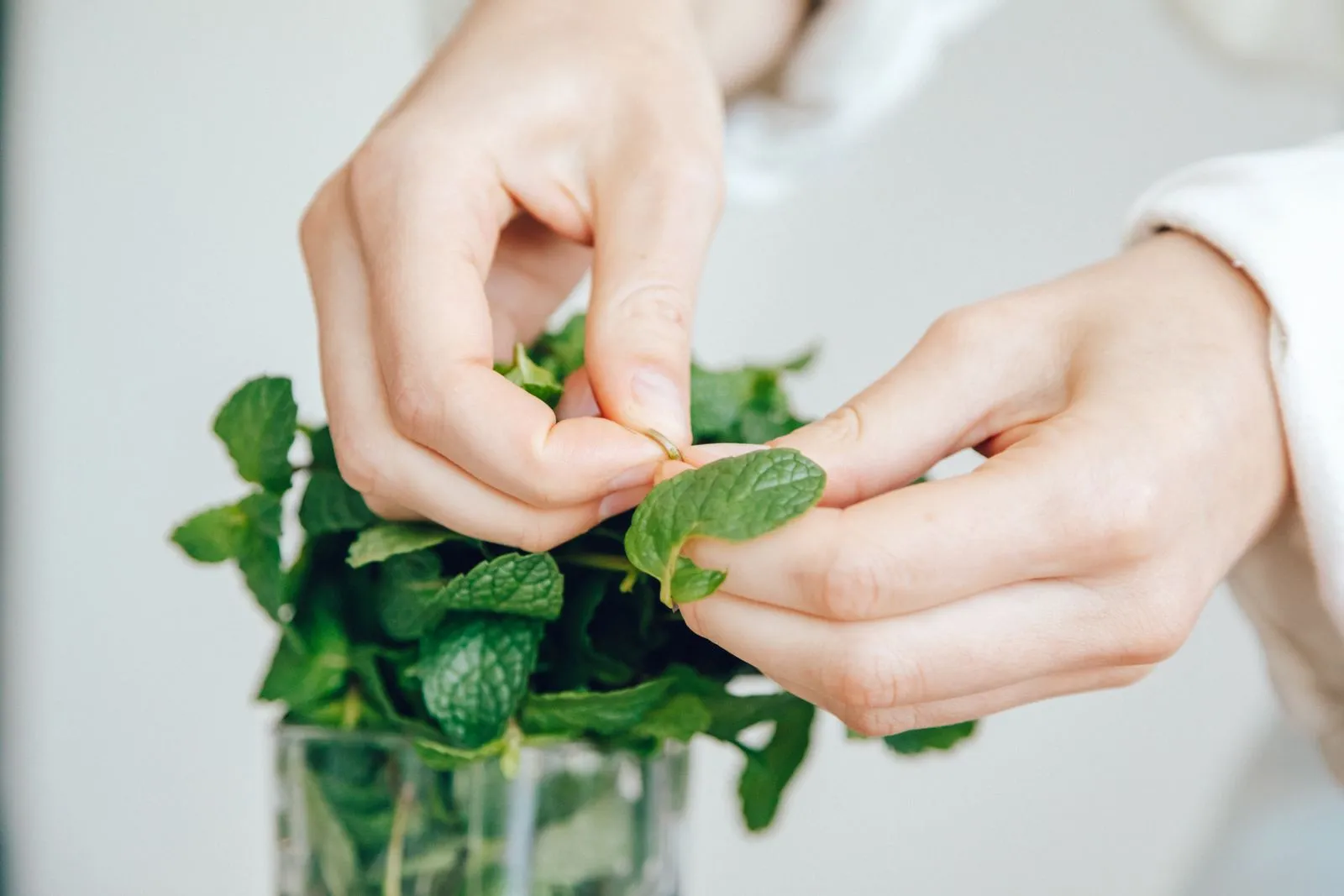
Mint tolerates partial shade and often appreciates protection from intense afternoon sun. It can grow in a bright indoor spot, too. Grow mint in its own container because it spreads readily through runners and can crowd neighboring plants. In either setting, provide enough light to keep stems sturdy, and avoid leaving the soil waterlogged.
Read Your Plant’s Signals
Long, weak stems and wide gaps between leaves often suggest that an herb needs more light. Slow growth can also indicate insufficient light, although watering, temperature, and root problems may contribute. Move the plant gradually toward a brighter location rather than exposing it all at once to strong direct sun, which can scorch leaves that have adapted to shade.
Pale or scorched patches, especially on leaves facing a hot window, may mean the light is too intense. Shift the pot back from the glass or add light shade during the strongest afternoon sun. Check plants regularly as seasons change: a position that worked in summer may not provide enough light in winter, while summer heat can make a sunny window too harsh.
Match each herb to its preferred light, then adjust based on how it grows. Basil, rosemary, thyme, and oregano usually need the brightest spots; parsley, chives, and mint can handle gentler conditions. If you are choosing herbs for your home or garden, Bluegrass Herb House can help you consider which varieties suit your available light.