
Kentucky’s changing seasons make it possible to grow a wide range of culinary herbs, from tender basil to hardy thyme. The best choices depend on where you plant, how much sun the space receives, and whether water drains away after rain. Many herbs thrive in full sun and lean, well-drained soil, while a few tolerate partial shade or need more consistent moisture. By matching each herb to your garden’s conditions, you can harvest useful leaves throughout the growing season and plan ahead for winter.
Choose Herbs for Sun and Soil
Basil, rosemary, thyme, oregano, and sage generally grow best with at least six hours of direct sunlight. They also do well in soil that drains freely. Kentucky’s heavy clay can stay wet after storms, so improve a garden bed with organic matter or grow these herbs in raised beds or containers with drainage holes. Avoid placing drought-tolerant Mediterranean herbs where water collects.
Parsley, cilantro, and mint can manage some afternoon shade, especially during hot weather. They prefer more consistent moisture than thyme or oregano. Mint spreads quickly through underground runners, so keep it in a pot or give it a contained space. Check the garden after a heavy rain: if water remains for hours, choose a better-drained location before planting.
Compare Reliable Culinary Herbs
Basil is a productive warm-season annual for sauces, salads, and pesto. Plant it after frost danger has passed, when the soil has warmed. Parsley is a biennial often grown as an annual for its leaves; it can handle cooler spring and fall weather. Cilantro also prefers cool conditions, but warmth can make it flower and set seed quickly. Sow small batches over time to extend the harvest.
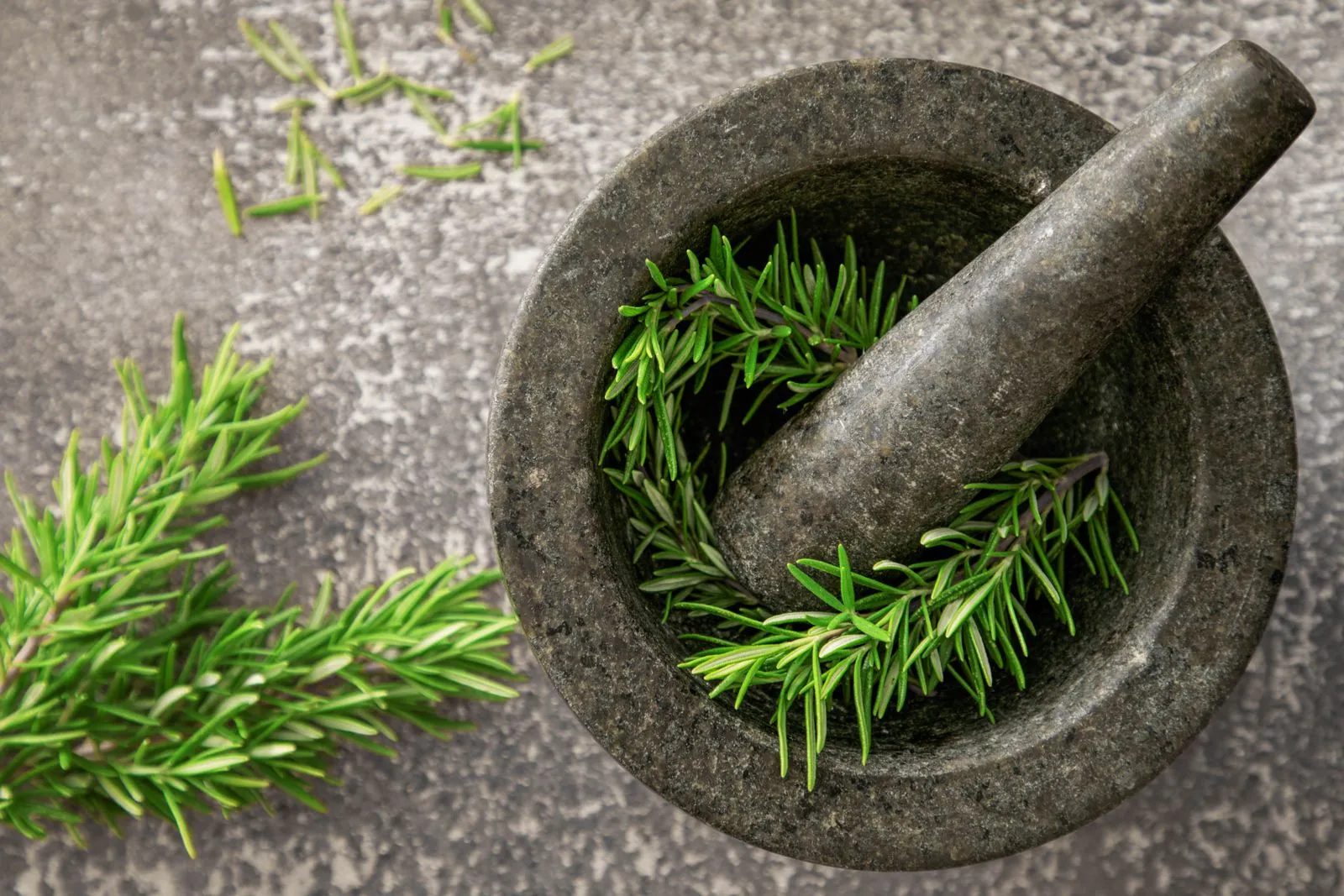
Thyme, oregano, and sage are perennial herbs that can return year after year in suitable conditions. Their sturdy leaves suit roasted vegetables, soups, and meat dishes. Rosemary is a tender perennial in many Kentucky gardens; winter cold can damage it, so grow it in a container that can be moved to a bright, cool indoor spot. Chives are another useful perennial, offering mild onion flavor and spring blooms.
Plan Around Kentucky Seasons
Use local frost dates as a guide, but check the forecast before planting tender herbs outdoors. Basil and other warm-season plants should wait until the chance of frost has passed. Parsley and cilantro can go in earlier during cool weather. In late summer, sowing cilantro again can provide a fall crop as temperatures ease. A few small plantings are easier to manage than one large sowing that matures all at once.
Perennials benefit from a site where they can remain undisturbed, while annuals can fill gaps in vegetable beds or containers. Mark the locations of thyme, oregano, sage, and chives so you do not disturb them during spring cleanup. Mulch lightly to moderate soil temperature, but keep mulch away from herb stems to reduce excess moisture around the crown.
Make Harvesting Part of the Plan
Place frequently used herbs near the kitchen or along a path where you can reach them easily. Harvest leaves regularly, but avoid removing too much at once; leave enough foliage for the plant to keep growing. Pinch basil tips to encourage branching and remove flower buds when you want to prolong leaf production. Harvest herbs after morning dew dries for cleaner leaves and stronger flavor.
A simple starter garden might pair basil and parsley in containers with thyme, oregano, and chives in a sunny bed. Add cilantro in a cooler-season spot, and keep mint contained. Bluegrass Herb House in Lexington can help you compare plants for your space. Before buying, note the hours of sun and how quickly the soil drains so you can choose herbs that fit your garden.
Kentucky gardens can support both quick-growing annuals and dependable perennial herbs. Start with sunlight and drainage, then choose varieties that fit the season and the way you cook. A few well-placed plants are often easier to maintain than a crowded herb bed. Visit a local herb shop for help selecting plants suited to your growing conditions.